由于中国不同地区(如人教版PEP、外研版、牛津版等)使用的教材版本不同,课文的具体细节会有差异,但核心词汇、句型和教学目标是相似的。
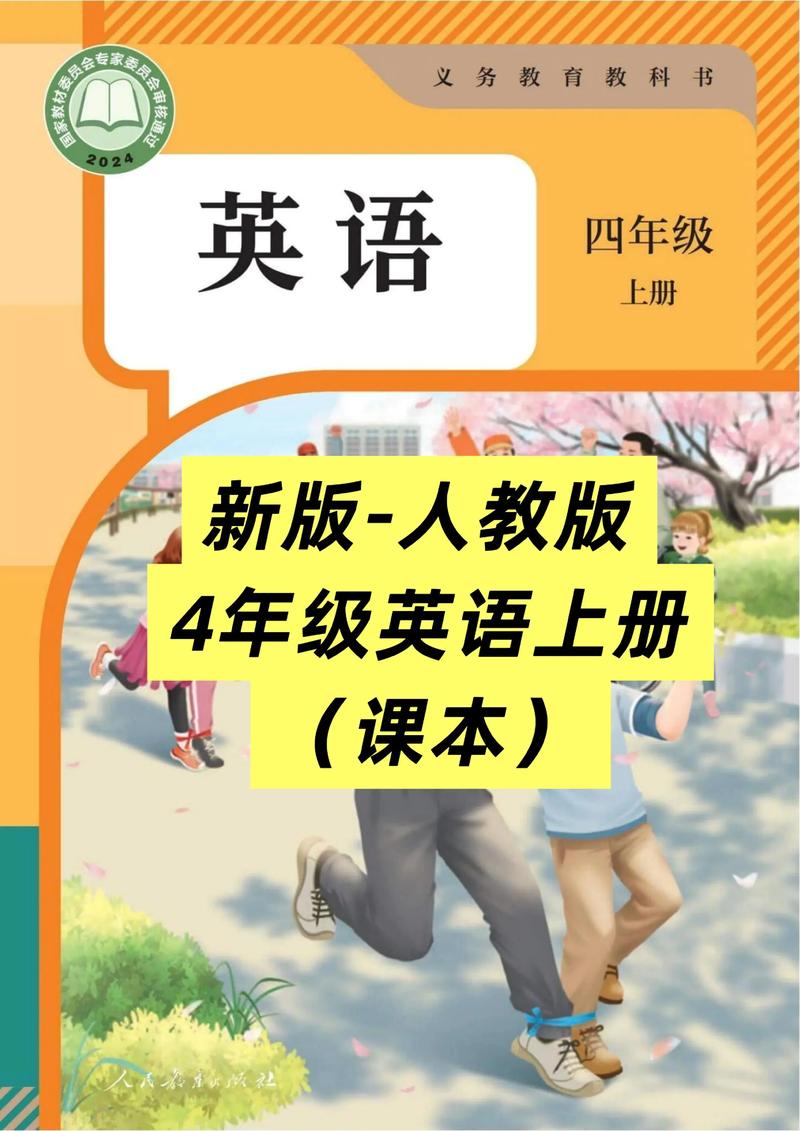
下面我将以中国最广泛使用的人教版PEP (People's Education Press) 四年级上册教材为例,为您梳理和总结主要单元的课文核心内容、重点句型和词汇,这能帮您快速了解四年级上册英语课文的概貌。
人教版PEP四年级上册 英语课文核心内容概览
四年级上册通常有6个主要单元,每个单元都有一个核心主题。
Unit 1 My Classroom (我的教室)
- 核心主题: 描述教室里的物品及其位置。
- 重点句型:
What's in the classroom?(教室里有什么?)Let's go and see!(我们去看吧!)Where is it?(它在哪里?)It's on/in/under/near the...(它在...上面/里面/下面/旁边...)
- 核心词汇:
- 物品:
window(窗户),door(门),picture(图画),blackboard(黑板),light(灯),floor(地板),computer(电脑),fan(风扇) - 方位介词:
on(在...上),in(在...里),under(在...下),near(在...旁)
- 物品:
- 课文片段示例:
- A部分 (Let's talk):
A: Hello, Zhang Peng. We have a new classroom. B: Really? Let's go and see! A: Wow! It's so big! B: What's in the classroom? A: One blackboard, one TV, many desks and chairs.
- B部分 (Let's learn):
(指着窗户) Look! A window. (指着灯) And a light. (指着电脑) This is a computer. It's on the teacher's desk.
 (图片来源网络,侵删)
- A部分 (Let's talk):
Unit 2 My Schoolbag (我的书包)
- 核心主题: 介绍书包里的学习用品,并询问物品数量。
- 重点句型:
What's in your schoolbag?(你的书包里有什么?)An English book, a maths book, a storybook...(一本英语书,一本数学书,一本故事书...)How many ... do you have?(你有多少...?)I have ...(我有...)
- 核心词汇:
- 学习用品:
schoolbag(书包),English book(英语书),maths book(数学书),Chinese book(语文书),storybook(故事书),notebook(笔记本),toy(玩具),key(钥匙)
- 学习用品:
- 课文片段示例:
- A部分 (Let's talk):
A: What's in your schoolbag? B: An English book, a maths book, a storybook and three notebooks.
- B部分 (Let's learn):
(拿出语文书) This is my Chinese book. (拿出故事书) I have a storybook. It's funny.
- A部分 (Let's talk):
Unit 3 My Friends (我的朋友们)
- 核心主题: 描述朋友的外貌特征和性格。
- 重点句型:
Who's he/she?(他是谁?/ 她是谁?)He/She is ...(他/她是...)What's his/her name?(他/她叫什么名字?)His/Her name is ...(他/她的名字是...)He/She has ... hair.(他/她有...头发。)He/She is tall and strong.(他又高又壮。)
- 核心词汇:
- 外貌:
tall(高的),short(矮的),strong(强壮的),thin(瘦的),long hair(长头发),short hair(短头发),quiet(安静的)
- 外貌:
- 课文片段示例:
- A部分 (Let's talk):
A: He's strong. Who is he? B: He's John. He's my friend. A: She's quiet. Who is she? B: She's Amy. She's my friend, too.
- B部分 (Let's learn):
(指着高个子男孩) He's tall. (指着短头发的女孩) She has short hair.
- A部分 (Let's talk):
Unit 4 My Home (我的家)
- 核心主题: 介绍家里的各个房间及里面的物品。
- 重点句型:
This is my home.(这是我的家。)Welcome to my home!(欢迎来到我家!)Is she in the...?(她在...吗?)Yes, she is. / No, she isn't.(是的,她在。/ 不,她不在。)
- 核心词汇:
- 房间:
home(家),study(书房),kitchen(厨房),bedroom(卧室),bathroom(卫生间),living room(客厅) - 物品:
phone(电话),bed(床),sofa(沙发),table(桌子),fridge(冰箱)
- 房间:
- 课文片段示例:
- A部分 (Let's talk):
A: This is my home. You can see a bedroom, a living room... B: Is she in the living room? A: No, she isn't. She's in the study.
- B部分 (Let's learn):
(指着卧室) This is a bedroom. A bed in it. (指着客厅) This is a living room. A TV and a sofa.
- A部分 (Let's talk):
Unit 5 What would you like? (你想要什么?)
- 核心主题: 在餐厅或家里点餐,表达自己的饮食喜好。
- 重点句型:
What would you like to eat/drink?(你想要吃什么/喝什么?)I'd like some ...(我想要一些...)Can I have some ...please?(我能要一些...吗?)Sure. Here you are.(当然给你。)
- 核心词汇:
- 食物:
rice(米饭),fish(鱼),soup(汤),noodles(面条),vegetables(蔬菜),beef(牛肉),chicken(鸡肉),soup(汤) - 饮料:
tea(茶),milk(牛奶),juice(果汁),water(水)
- 食物:
- 课文片段示例:
- A部分 (Let's talk):
A: What would you like to eat? B: I'd like some noodles, please. A: What would you like to drink? B: I'd like some tea, please.
- B部分 (Let's learn):
(指着菜单) Rice, fish, and soup. I like beef. It's delicious.
- A部分 (Let's talk):
Unit 6 Meet my family! (见见我的家人!)
- 核心主题: 介绍家庭成员及其职业。
- 重点句型:
How many people are there in your family?(你家有几口人?)Three.(三个。)Who are they?(他们是谁?)My parents and me.(我的父母和我。)What's your father's/mother's job?(你父亲/母亲的职业是什么?)He's a ... / She's a ...(他是一名... / 她是一名...)
- 核心词汇:
- 家庭成员:
family(家庭),parents(父母),brother(兄弟),sister(姐妹),baby brother(弟弟),grandpa(爷爷),grandma(奶奶) - 职业:
doctor(医生),nurse(护士),driver(司机),farmer(农民),teacher(老师)
- 家庭成员:
- 课文片段示例:
- A部分 (Let's talk):
A: How many people are there in your family? B: Three. A: Who are they? B: My parents and me. My father is a doctor. My mother is a teacher.
- B部分 (Let's learn):
(指着图片) He's a driver. He's cool. (指着另一张图片) She's a nurse. She's kind.
- A部分 (Let's talk):
总结与学习建议
- 核心目标: 四年级上册的重点在于从单词认知过渡到句子和简短对话的运用,学生需要掌握如何用英语进行简单的日常交流。
- 学习重点:
- 词汇: 熟练掌握每个单元的核心词汇,做到“见词能读,听音能写”。
- 句型: 理解并重点操练每个单元的核心句型,能够替换关键词进行灵活运用。
- 对话: 跟读录音,模仿语音语调,能熟练朗读并表演课文中的对话。
- 字母与发音: 继续巩固26个字母的书写和发音,并开始接触简单的字母组合发音规律。
希望这份详细的总结对您有帮助!如果您需要某个单元更具体的课文原文、练习题或教学视频资源,可以随时告诉我。