这份导图以 “人教版PEP小学英语四年级上册” 的核心内容为蓝本,因为它是中国大陆最主流的教材之一,覆盖了该年级的核心知识点,您可以根据孩子使用的具体教材,进行微调。
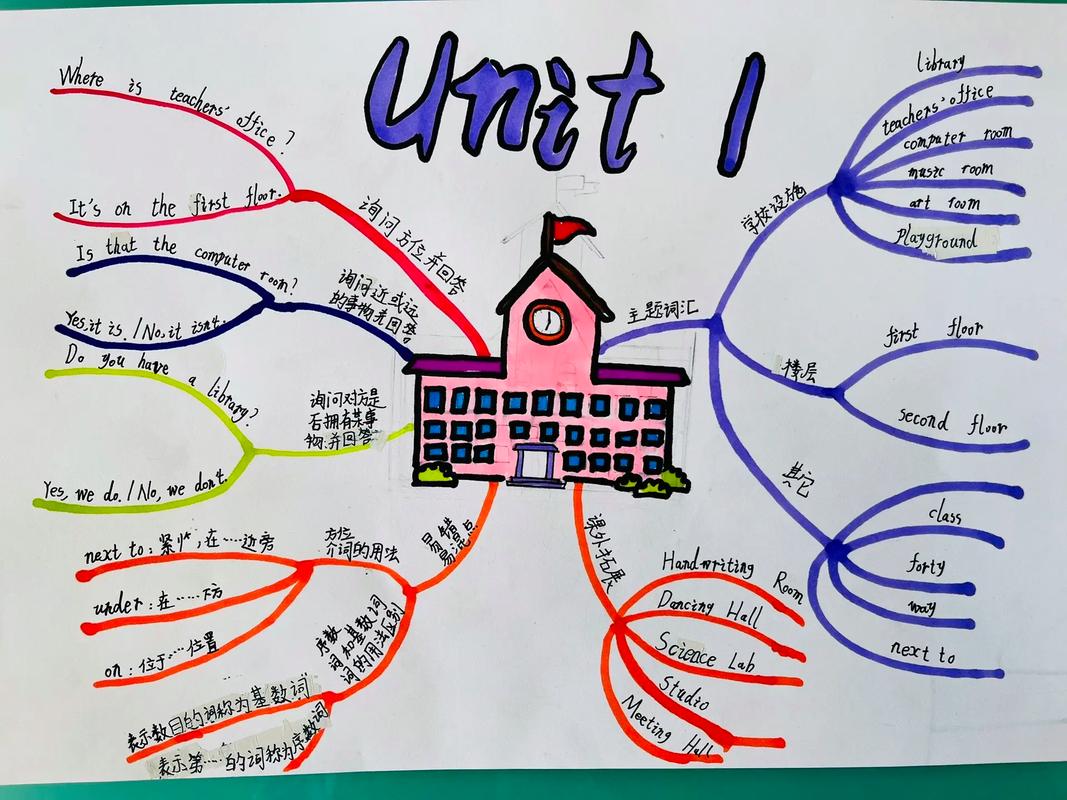
(图片来源网络,侵删)
小学四年级英语核心知识体系思维导图
这张导图旨在帮助孩子将零散的知识点串联成一个有机的整体,形成“知识网络”,而不是孤立地背诵单词和句型。
中心主题:My English World (我的英语世界)
第一分支:单元主题
四年级上册通常有6个核心单元,每个单元都有一个主题。
-
Unit 1: My Classroom (我的教室)
- 核心词汇: classroom, window, door, picture, blackboard, light, fan, computer, wall, floor
- 核心句型:
- 询问位置: Where is ...? It's in/on/under/near the ...
- 回答: It's in/on/under/near the ...
- 指令: Let's clean the classroom. Good idea!
- 描述: We have a new classroom.
-
Unit 2: My Schoolbag (我的书包)
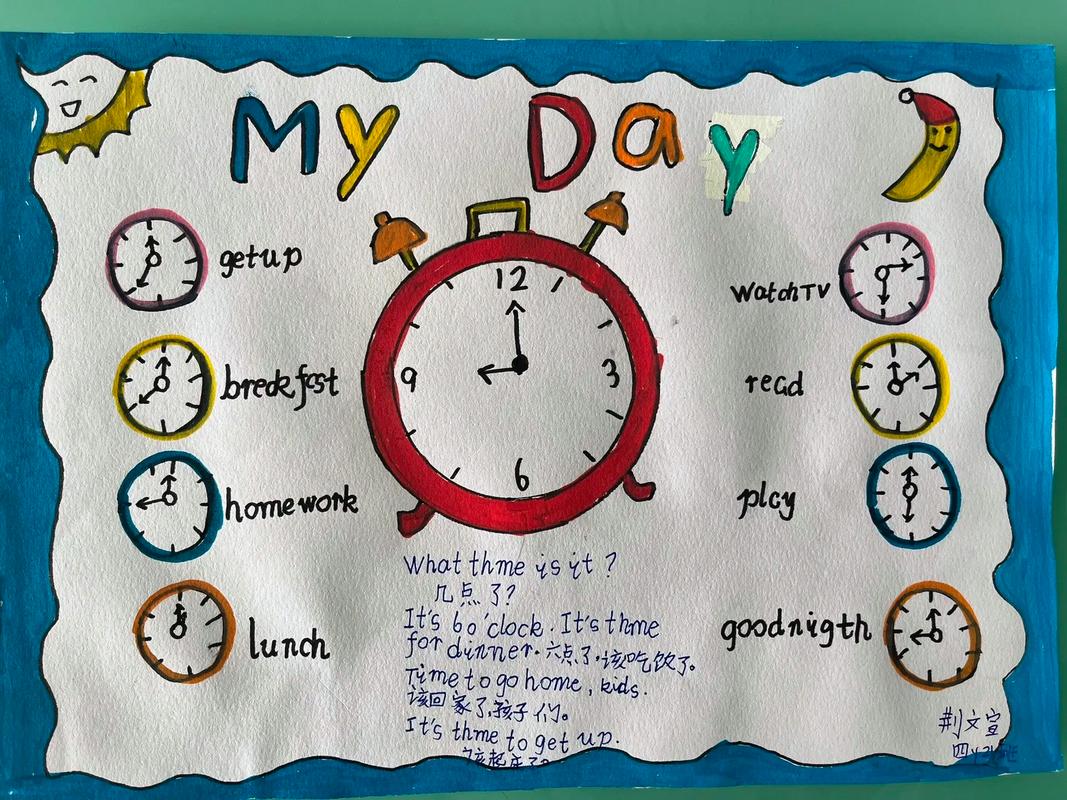 (图片来源网络,侵删)
- 核心词汇: schoolbag, English book, math book, Chinese book, storybook, notebook, candy, toy, key
- 核心句型:
- 询问物品: What's in your schoolbag? An English book and a math book.
- 询问数量: How many ... do you have? I have ... (注意: many + 复数名词)
- 回答: I have ... (注意: a/an + 单数名词)
-
Unit 3: My Friends (我的朋友们)
- 核心词汇: friend, long hair, short hair, strong, thin, quiet, friendly, funny
- 核心句型:
- 描述外貌: He/She has ... (long hair / a big nose).
- 描述性格: He/She is ... (friendly / funny).
- 询问是谁: Who's he/she? He/She is ...
- 介绍朋友: This is my friend. His/Her name is ...
-
Unit 4: My Home (我的家)
- 核心词汇: home, room, study, kitchen, bedroom, bathroom, living room, phone, bed, sofa, table, fridge
- 核心句型:
- 询问地点: Where are ...? They're in the ...
- 回答: They're in the ...
- 介绍房间: This is my home. You can see a ... in my bedroom.
- 指令: Go to the living room. Watch TV.
-
Unit 5: What Would You Like? (你想要什么?)
- 核心词汇: rice, fish, beef, soup, noodles, vegetable, juice, bread, milk, egg, water
- 核心句型:
- 点餐: What would you like (to eat/drink)? I'd like some ...
- 询问需求: Can I have some ...? Sure. Here you are.
- 提供帮助: Help yourself!
-
Unit 6: Meet My Family! (见见我的家人!)
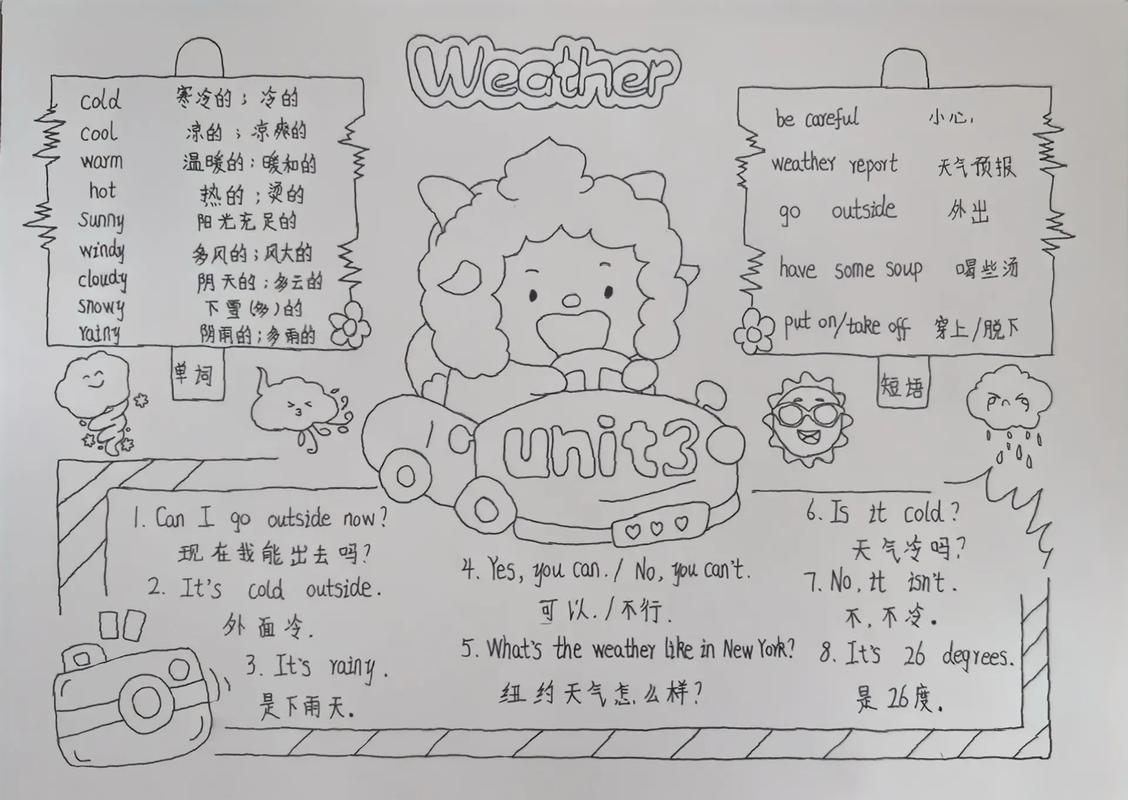 (图片来源网络,侵删)
- 核心词汇: family, parents, brother, sister, grandfather (grandpa), grandmother (grandma), uncle, aunt, baby, cousin, doctor, farmer, driver, nurse
- 核心句型:
- 介绍家人: This is my family. These are my parents.
- 询问职业: What's your ...'s job? He/She is a ...
- 回答: He/She is a ...
第二分支:核心语法
这是四年级英语的骨架,是理解和运用语言的基础。
-
名词
- 可数名词: 有单复数之分。
- 规则变化: book -> books, cat -> cats (一般+s)
- 特殊变化: bus -> buses, box -> boxes (s, x, ch, sh结尾+es); baby -> babies (辅音+y结尾,变y为i+es); child -> children (不规则)
- 不可数名词: 没有复数形式,不能直接用
a/an或many修饰,如: water, rice, juice, milk
- 可数名词: 有单复数之分。
-
代词
- 主格代词: I, you, he, she, it, we, they (作主语)
- 例: He is my friend.
- 物主代词: 表示“我的、你的、他的...”
- 形容词性物主代词: my, your, his, her, its, our, their (后面必须跟名词)
- 例: This is my book.
- 名词性物主代词: mine, yours, his, hers, ours, theirs (后面不跟名词,单独使用)
- 例: This book is mine.
- 形容词性物主代词: my, your, his, her, its, our, their (后面必须跟名词)
- 主格代词: I, you, he, she, it, we, they (作主语)
-
动词
- Be动词: am, is, are
- 口诀: 我用am,你用are,is跟着他她它。
- 例: I am a boy. He is my teacher. They are friends.
- 情态动词: can (能,可以)
- 例: I can swim. She can sing.
- 实义动词: like (喜欢), have (有), go (去), clean (打扫)等。
- Be动词: am, is, are
-
介词
- 方位介词: in (在...里面), on (在...上面), under (在...下面), near (在...旁边)
- 例: The cat is on the desk. The ball is under the chair.
- 方位介词: in (在...里面), on (在...上面), under (在...下面), near (在...旁边)
-
句型结构
- 陈述句: 主语 + 谓语 + 其他.
- 例: I have a new schoolbag.
- 一般疑问句: Be动词/情态动词 + 主语 + ...?
- 例: Is she in the study? Can you see the bird?
- 特殊疑问句: 疑问词 + 一般疑问句?
- 例: Where is my pen? What's in your desk? How many books do you have?
- 陈述句: 主语 + 谓语 + 其他.
第三分支:核心词汇
按主题分类,方便孩子联想记忆。
-
人物
- 家庭成员: family, father (dad), mother (mom), parents, brother, sister, grandfather (grandpa), grandmother (grandma), uncle, aunt, cousin
- 职业: teacher, student, doctor, nurse, driver, farmer, cook
- 朋友: friend, boy, girl
-
地点
- 学校: school, classroom, library, playground
- 家: home, room, study, kitchen, bedroom, bathroom, living room
-
物品
- 教室用品: desk, chair, window, door, blackboard, light, fan, computer, picture
- 学习用品: schoolbag, English book, math book, Chinese book, storybook, notebook, pencil, pen, ruler
- 食物饮料: rice, fish, beef, soup, noodles, vegetable, juice, bread, milk, egg, water, candy, cake
- 其他物品: key, toy, phone, table, sofa, bed, fridge
-
形容词
- 描述外貌: long hair, short hair, big eyes, small nose, strong, thin
- 描述性格: quiet, friendly, funny, good, nice
第四分支:核心句型
按功能分类,让孩子知道在什么场景下说什么话。
-
打招呼与告别
- Hello! / Hi! / Good morning! / Good afternoon!
- Goodbye! / See you! / Bye-bye!
-
询问与介绍
- 询问姓名: What's your name? My name is ...
- 询问是谁: Who's he/she? He/She is ...
- 介绍他人: This is ... He/She is my friend.
- 询问物品: What's this/that? It's a/an ... What are these/those? They're ...
- 询问数量: How many ... do you have? I have ...
- 询问位置: Where is ...? It's in/on/under/near ... Where are ...? They're in ...
-
表达喜好与需求
- 表达喜好: I like ... / I don't like ...
- 点餐/索要: What would you like? I'd like some ... Can I have some ...? Sure. Here you are.
-
描述事物
- 描述外貌: He/She has ... (long hair).
- 描述职业: He/She is a ... (teacher).
- 描述位置: The book is on the desk.
-
提出建议与指令
- 建议: Let's ... (Let's clean the classroom.)
- 指令/请求: Open the door, please. Clean the window. Go to the study.
如何使用这份思维导图?
- 打印出来:将这张导图打印出来,贴在孩子书桌前或课本的扉页上,随时可以看。
- 课堂笔记:孩子可以在学习每个单元时,把老师补充的新单词、新句型,用不同颜色的笔填到对应的分支里。
- 复习工具:考前复习时,让孩子看着导图,自己回忆每个分支下的内容,这比单纯地翻书更高效。
- 口语练习:家长可以指着导图的某个分支(如 "My Friends"),和孩子进行角色扮演,用里面的句型进行对话。
- 创作延伸:鼓励孩子在每个分支下添加自己的东西,"My Favourite Food" (我最喜欢的食物),或者画上相应的图画,让导图变得更个性化。
希望这份详细的思维导图能帮助您的孩子在四年级英语的学习中,建立起清晰的知识框架,爱上英语!