Of course! As a foreign English teacher with experience in early childhood education, I'd be happy to provide a detailed explanation of early English education for young children.
Let's break this down into several key areas:
- The Core Philosophy: It's Not About "Teaching"
- The Golden Window of Opportunity
- Key Principles for Success
- Practical Activities and Methods
- What to Avoid: Common Pitfalls
- Choosing the Right Resources/Program
The Core Philosophy: It's Not About "Teaching"
This is the most important concept for parents to understand. For children under the age of 7, early English education is not about formal instruction. It's not about sitting them down for grammar lessons, memorizing vocabulary lists, or forcing them to take tests.
Instead, the goal is to cultivate a positive and natural relationship with the English language. We want English to feel as familiar and enjoyable as their native language. Think of it like planting a seed. You don't force it to grow; you provide the right environment—sunlight (exposure), water (interaction), and good soil (a positive atmosphere)—and let it grow naturally.
Our primary objectives are:
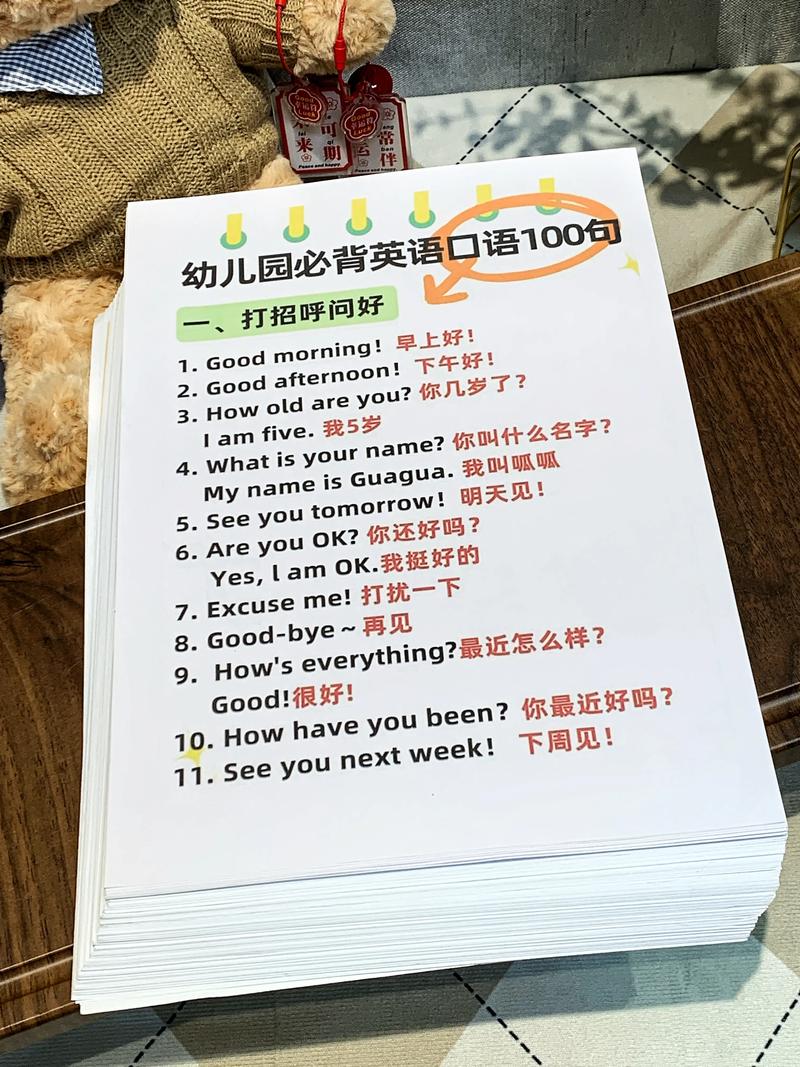
- Developing a "Love" for English: Making it fun, engaging, and associated with positive emotions (play, laughter, cuddles).
- Training the Ear (Auditory Discrimination): Helping their brains get used to the different sounds, rhythms, and intonations of English.
- Building a Foundation for Pronunciation: Young children are fantastic mimics. This is the best time to develop a native-like accent.
- Creating a "Language Immersion" Environment: Surrounding them with English so it becomes a part of their daily life, not just a "subject" they study.
The Golden Window of Opportunity
From a neurological perspective, a child's brain is incredibly plastic and receptive to language acquisition between the ages of 0 and 7. This is often called the "critical period" or "golden window."
- The Brain's "Sound Factory": Babies are born with the ability to distinguish all the sounds of all the world's languages. By around 9-12 months, their brains start to "tune in" to the sounds of their native language and discard the ones they don't hear often. This is why early exposure is crucial. It keeps those English "sound pathways" open.
- The "Silent Period": It's very common for children who are exposed to a second language to be silent for a long time. This is normal and healthy. They are busy listening, absorbing, and building their internal understanding of the language. They are not "behind"; they are in a crucial phase of comprehension. Forcing them to speak before they are ready can create anxiety and hinder their progress.
Key Principles for Success
As a foreign teacher, I always advise parents to follow these principles:
a. Make it Fun and Play-Based (Play is the Work of a Child)
Children learn best through play. Every activity should feel like a game. If they are having fun, they are learning. If they are bored or frustrated, learning stops.
b. Be Consistent, Not Intense
Short, daily exposure is far more effective than a long, weekly session. 15-20 minutes of focused, fun interaction every day is much better than a 2-hour session once a week. Consistency helps the language become a habit.
c. Focus on Comprehension First (Input Before Output)
As mentioned, the "silent period" is vital. Our job is to flood them with understandable language (comprehensible input). Use gestures, facial expressions, props, and context to make meaning clear. When they understand, the speaking will come naturally.
d. Embrace Repetition
Children learn through repetition. It's not boring to them; it's comforting and helps them solidify new words and phrases. Don't be afraid to sing the same song every day or read the same book ten times. Repetition is the mother of skill.
e. Be a Patient and Enthusiastic Role Model
Your attitude is contagious. If you show enthusiasm and joy, they will too. Don't worry about your own accent. The goal is communication and exposure. Your positive energy is the most important resource you have.
Practical Activities and Methods
Here are some concrete, teacher-approved methods you can use at home.
Method 1: Total Physical Response (TPR)
This is my #1 recommendation for beginners. It's a language teaching method that relies on physical responses to verbal commands.
- How it works: You say a word and perform an action. The child copies the action.
- Example:
- You say, "Clap your hands!" and clap your hands.
- You say, "Stand up!" and stand up.
- You say, "Touch your nose!" and touch your nose.
- Why it works: It connects language directly to a physical action, bypassing the need for translation. It's active, fun, and builds comprehension without any pressure to speak.
Method 2: Storytelling and Reading Aloud
This is a powerful way to build vocabulary and a love for books.
- Choose the right books: Board books with bright pictures, simple stories, and repetitive phrases are best.
- Make it interactive: Don't just read the words. Use different voices for characters. Point to the pictures and ask simple questions, "What's this?" (even if they can't answer, you can answer for them). Use props or puppets to act out the story.
Method 3: Songs, Chants, and Rhymes
Music is a universal language and is incredibly effective for language learning.
- Why it works: Songs have rhythm, repetition, and emotion, which make words and phrases easy to remember.
- Examples: "Head, Shoulders, Knees, and Toes," "The Wheels on the Bus," "Old MacDonald Had a Farm," simple nursery rhymes.
- Action: Combine songs with actions (like in TPR) to double the learning effect.
Method 4: Daily Routines and "Naming" the World
Incorporate English into your daily life.
- Label objects: Put sticky notes with English words on common items (door, table, chair).
- Narrate your actions: "Let's put on your coat. Now, let's find your shoes. Are they under the chair?"
- Count in English: Count the steps, the apples, the cars you see.
Method 5: Simple Games
- "I Spy": "I spy with my little eye, something red."
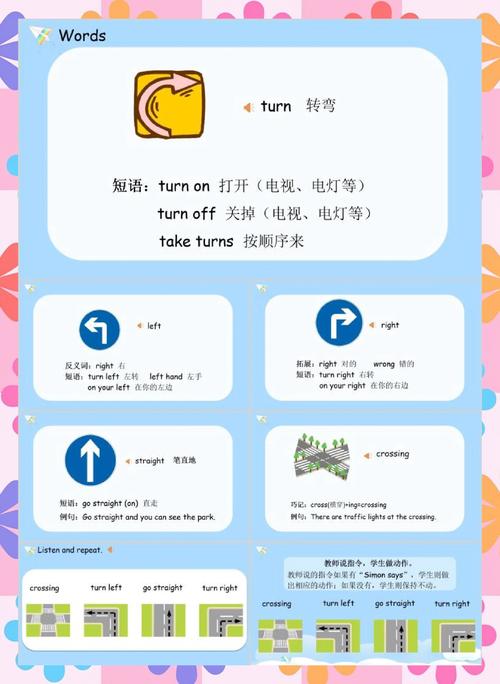
- "Simon Says": A classic TPR game.
- Flashcard Games: Use flashcards for animals, food, etc. Play "memory" or "what's missing?".
What to Avoid: Common Pitfalls
- ❌ Don't Translate Everything: If you say "Apple" and then immediately say "苹果," the child will always wait for the translation. Focus on showing the object and saying the English word. Context is key.
- ❌ Don't Force Speaking: Never say, "Repeat after me!" If a child is in the silent period, this will create anxiety. Let them speak when they are ready. Praise any attempt, even if it's not perfect.
- ❌ Don't Correct Errors Constantly: If a child says, "I eated the apple," don't say, "No, it's 'I ate the apple'." This can discourage them. Just model the correct phrase naturally in your response: "Oh, you ate the apple? Was it yummy?" This is called "recasting" and is a much gentler way to correct.
- ❌ Don't Use English as a Test: Avoid asking "What's this?" all the time. It puts pressure on them. Instead, provide the language: "Look, it's a big, yellow bus!"
Choosing the Right Resources/Program
If you are considering an external program (like a kindergarten or online class), here’s what to look for:
- Native-Speaking Teachers (are a huge plus, but not the only thing): A teacher with a native-like accent provides the best model for pronunciation. However, a passionate, well-trained local teacher who uses English as the primary medium of instruction is also excellent.
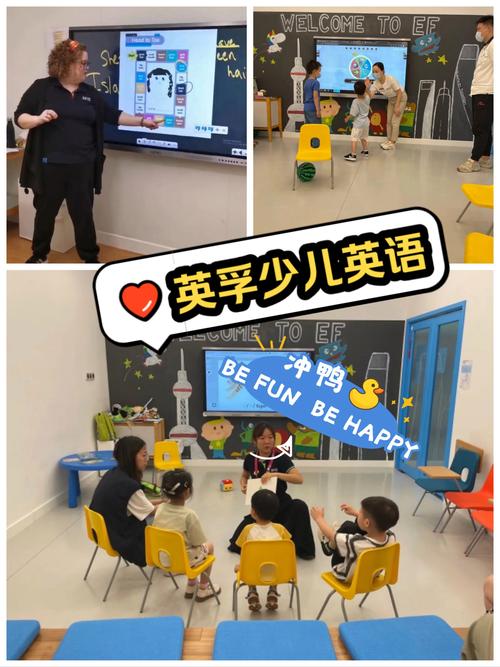
- Play-Based Curriculum: A good program will be full of songs, games, art, and stories—not worksheets and lectures.
- Small Class Size: Individual attention is important, especially for shy children.
- Focus on Communication: The curriculum should prioritize listening and comprehension over early reading and writing.
- A Positive and Nurturing Environment: The classroom should feel safe and happy. Children should be smiling and engaged.
In conclusion, early English education is a journey of exposure and joy, not a race to academic achievement. By creating a fun, immersive, and pressure-free environment, you are giving your child the greatest gift: a positive foundation for a lifetime of language learning.